When it comes to building structures in earthquake-prone areas, ensuring the safety and stability of these buildings is of utmost importance. One crucial element in safeguarding structures against seismic events is the implementation of a seismic bracing system. This system is designed to minimize damage during an earthquake by providing additional support and reinforcement to the building’s structure. In this article, we will explore the significance of seismic bracing systems and why they are essential for protecting buildings in seismic zones.
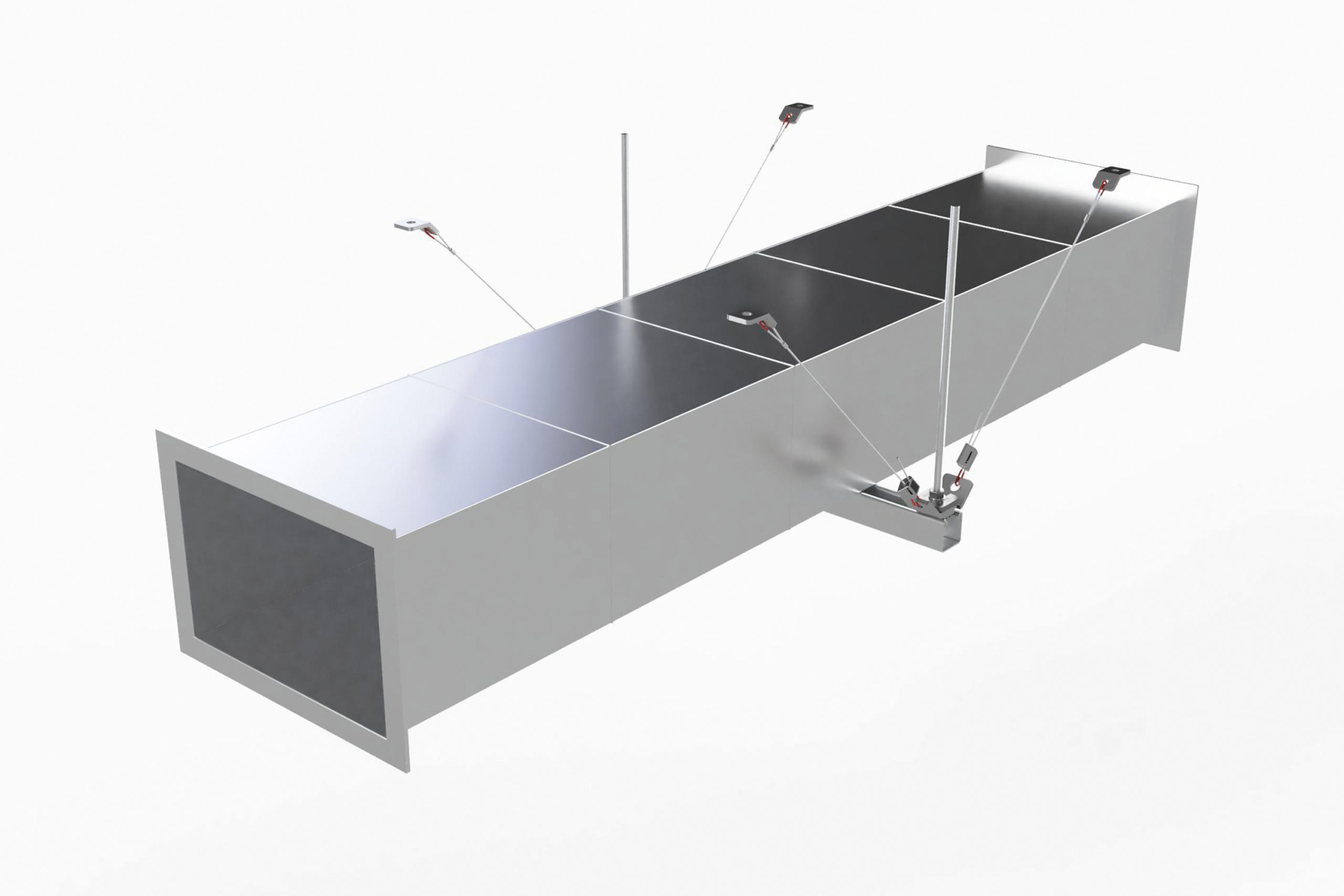
A seismic bracing system is a network of structural components that work together to reduce the effects of ground motion on a building during an earthquake. These systems are typically installed in buildings that are located in areas with a high risk of earthquakes, such as California or Japan. The main purpose of a seismic bracing system is to prevent structural damage and collapse, thereby ensuring the safety of the building’s occupants and minimizing financial losses.
There are several different types of seismic bracing systems, each designed to address specific vulnerabilities in a building’s structure. The most common type of system is a diagonal brace, which consists of steel or concrete elements that are installed diagonally across the building’s frame. These braces help to distribute the forces generated by an earthquake and prevent excessive movement that can lead to structural failure.
Another type of seismic bracing system is a base isolation system, which involves separating the building’s foundation from the ground using flexible or sliding bearings. This allows the building to move independently of the ground motion during an earthquake, reducing the impact of seismic waves on the structure. Base isolation systems are particularly effective in protecting historic buildings and critical infrastructure, such as hospitals and power plants.
In addition to these systems, there are also damping systems that are designed to absorb and dissipate the energy generated by an earthquake. These systems typically involve the installation of devices such as tuned mass dampers or viscous dampers, which help to reduce the building’s vibrations and prevent damage to the structure. Damping systems are often used in tall buildings and skyscrapers, where the effects of ground motion can be amplified.
The importance of seismic bracing systems cannot be overstated, especially in regions where earthquakes are a common occurrence. Without these systems in place, buildings are at a much higher risk of sustaining severe damage or collapsing during an earthquake. This can not only result in the loss of property but also pose a significant threat to human life.
One of the key benefits of seismic bracing systems is their ability to improve the overall resilience of a building. By strengthening the structure and increasing its resistance to seismic forces, these systems help to ensure that the building can withstand the effects of an earthquake and remain standing. This is particularly important for critical infrastructure, such as hospitals, schools, and government buildings, which must remain operational during and after a seismic event.
Moreover, seismic bracing systems can also help to reduce the economic impact of earthquakes by minimizing the costs associated with repairing and rebuilding damaged structures. By investing in these systems upfront, building owners can protect their assets and avoid costly repairs in the aftermath of an earthquake. This can ultimately save both time and money, while also ensuring the long-term safety and stability of the building.
In conclusion, seismic bracing systems play a critical role in protecting structures against the devastating effects of earthquakes. These systems help to minimize damage, ensure the safety of occupants, and reduce the economic impact of seismic events. By investing in a seismic bracing system, building owners can safeguard their assets, improve the resilience of their structures, and provide peace of mind knowing that their building is well-equipped to withstand the forces of nature.